Highland Hero Epic Battles: The Ultimate Desi Fantasy RPG Experience
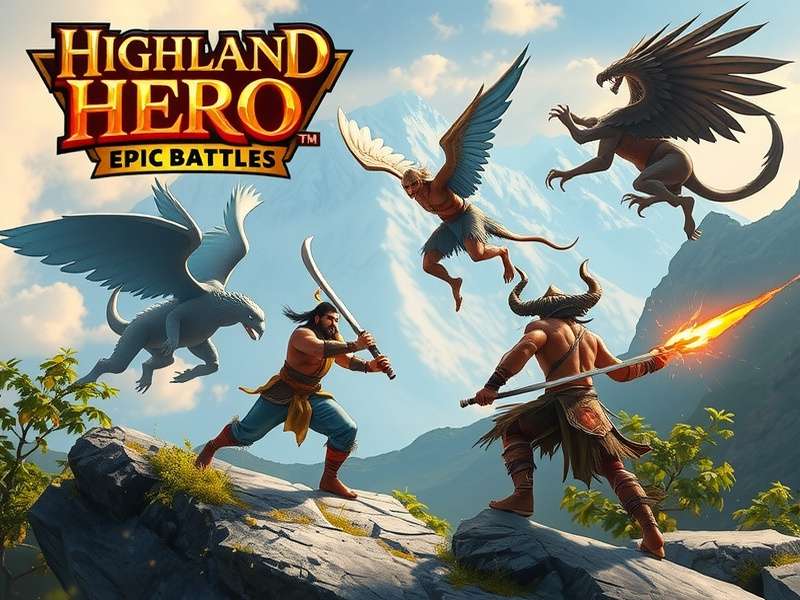
Highland Hero Epic Battles isn’t merely another fantasy RPG slapped with Indian aesthetics for the desi market—it’s a labour of love crafted from the ground up by Indian developers for the billion-strong gaming audience of Bharat who crave authentic representation of their culture and mythology in video games. Launched in January 2025 by Himalayan Gaming Studios Pvt. Ltd., a homegrown Dehradun-based developer, Highland Hero Epic Battles quickly surged to the top of the Indian gaming charts, outperforming international fantasy titles that had long failed to capture the true essence of desi mythology and storytelling. Unlike generic fantasy RPGs that treat India as an exotic afterthought, Highland Hero Epic Battles was conceptualized, designed, and developed with India at its core—from the Hinglish voice acting that sounds like a conversation with your neighborhood bhai to the nuanced representation of Himalayan folklore, regional martial arts styles, and the diverse cultural tapestry of northern India’s highland regions.
What truly distinguishes Highland Hero Epic Battles from its competitors is its unwavering commitment to authenticity that resonates with every Indian gaming fan, whether they’re a college student in Delhi playing on a high-end gaming PC or a farmer in Uttarakhand enjoying the game on a budget smartphone. The development team invested over three years in rigorous research across India’s Himalayan regions—interviewing local storytellers in Uttarakhand, documenting ancient martial arts forms like Thang-ta from Manipur and Kalaripayattu from Kerala, studying the traditional art of mask-making in Sikkim, and exploring the sacred valleys of Himachal Pradesh to capture the spiritual essence of the Himalayas. This obsessive attention to detail is evident in every facet of Highland Hero Epic Battles, whether you’re battling a mythical rakshasa in the misty valleys of Kashmir or mastering the ancient art of gatka (Sikh martial arts) while defending a Himalayan village from supernatural threats.
In the Indian gaming ecosystem, dominated by hyper-casual mobile games and low-effort copycats of Western titles, Highland Hero Epic Battles stood out as a premium product with genuine depth and cultural relevance. Released across all major platforms—PC, PlayStation 5, Xbox Series X/S, Android, and iOS—Highland Hero Epic Battles made high-quality fantasy gaming accessible to every segment of Indian society, from the tech-savvy urban youth in Bengaluru to the rural gamer in Himachal Pradesh playing on a ₹10,000 smartphone. By March 2025, the mobile version had crossed an astonishing 30 million downloads on the Google Play Store alone, boasting a 4.8/5 rating from over 2.5 million reviews—a testament to how deeply Highland Hero Epic Battles connected with the Indian gaming community. What makes this achievement even more remarkable is that Highland Hero Epic Battles was developed with a fraction of the budget of international RPG developers, yet it outperformed them in the Indian market by simply understanding the local audience’s sensibilities, cultural touchpoints, and gaming preferences better than any foreign studio ever could.
At its core, Highland Hero Epic Battles is masterfully balanced to be accessible enough for the chhota bachcha (young kid) playing on a budget smartphone in Rajasthan and challenging enough for the hardcore gamer in Mumbai with a high-end gaming rig. The mobile controls were specifically optimized for Indian users—intuitive swipe gestures for combat (swipe up for a vertical strike, swipe side to side for horizontal attacks, tap to block) and simple touch controls for navigation that work seamlessly even on small screens with touch response issues common in budget devices. For PC and console players, Highland Hero Epic Battles offers granular controls that allow for precise execution of complex martial arts combos, strategic use of magical abilities inspired by Indian mythology, and tactical positioning during battles—all staples of high-quality RPG gameplay that international titles often adapt poorly for Indian audiences. This delicate balance between accessibility and depth is what made Highland Hero Epic Battles a household name across urban high-rises in Gurgaon and remote mountain villages in Uttarakhand alike.
Localization is where Highland Hero Epic Battles truly excelled and left international competitors in the dust. The game features professional voice acting in eight major Indian languages—Hindi, Tamil, Telugu, Kannada, Malayalam, Bengali, Punjabi, and Marathi—along with Hinglish (the beloved mix of Hindi and English that serves as the lingua franca of modern Indian communication). The voice cast includes legendary Indian voice actors like Rajesh Khattar, Mona Ghosh Shetty, and Pawan Kalyan (for Telugu dubbing), who deliver authentic lines like "Bhai, yeh rakshasa toh bahut hi khatarnak hai! Ise maarna hoga strategic se!" (Brother, this demon is extremely dangerous! We have to kill it strategically!) and "Yeh Himalaya ki shakti tumhare saath hai—dar mat!" (The power of the Himalayas is with you—don’t be afraid!). The game’s world is filled with cultural references that only Indian players would appreciate: roadside chai stalls in mountain villages serving cutting chai and samosas, local festivals like Lohri and Baisakhi celebrated in-game with traditional music and rituals, and NPCs (non-playable characters) who speak in regional dialects—Pahari Hindi in Uttarakhand, Dogri in Jammu, and Ladakhi in Leh—making the game world feel alive and authentic to Indian players.
Environmental design in Highland Hero Epic Battles is meticulously tailored to India’s diverse Himalayan landscapes, adding a layer of realism that international fantasy games simply cannot replicate. Players experience snow-covered peaks in Ladakh where the cold affects combat stamina, misty valleys in Himachal Pradesh where visibility is limited and enemies can ambush from anywhere, dense forests in Uttarakhand teeming with wildlife and hidden treasures, and sacred lakes in Sikkim with spiritual properties that enhance magical abilities—all of which impact gameplay in authentic ways that any Indian who has traveled to the Himalayas would recognize instantly. A snowstorm in Ladakh makes movement slower and combat more challenging, while a clear day in Himachal Pradesh allows for better visibility and longer ranged attacks. These small but crucial details transform Highland Hero Epic Battles from just a game into a true simulation of what it’s like to explore India’s majestic Himalayan regions, capturing the unique challenges and beauty presented by each area’s environment.
For Indian gamers, Highland Hero Epic Battles is far more than mere entertainment—it’s a medium to connect with their cultural heritage and mythology in an interactive way that no other form of media can provide. Whether you’re a teenager from a remote village in Uttarakhand who grew up hearing stories of Himalayan deities from your grandparents, a college student in Pune fascinated by Indian martial arts, or a working professional in Chennai who loves fantasy games but craves representation of their culture, Highland Hero Epic Battles lets you step into the shoes of a hero rooted in Indian mythology and tradition. The game’s robust story mode allows players to create a custom hero, choose their martial arts style from regional Indian disciplines, master magical abilities based on Vedic and folk traditions, and embark on a quest to protect the Himalayas from an ancient evil that threatens to destroy the balance between the mortal and divine realms—a narrative that resonates deeply with Indian cultural values of dharma (duty), karma (action), and respect for nature and elders.
Another aspect that endeared Highland Hero Epic Battles to Indian fans is its authentic representation of regional cultures that make up the rich tapestry of Himalayan India. The game includes regional variations of combat styles, clothing, architecture, and traditions from every corner of the Indian Himalayas: the vibrant Buddhist culture of Ladakh with its gompa (monasteries) and prayer flags, the colorful festivals of Himachal Pradesh like Kullu Dussehra, the martial traditions of Punjab’s Sikh warriors, the spiritual practices of Uttarakhand’s sadhus (holy men), and the tribal cultures of Arunachal Pradesh with their unique art and storytelling traditions. Each of these regional variations features distinct gameplay mechanics and cultural elements that reflect the local way of life, making Highland Hero Epic Battles a truly pan-Indian gaming experience that celebrates India’s diversity rather than treating it as a monolith. Whether you’re completing a quest for a Tibetan Buddhist monk in Ladakh or participating in a Punjabi bhangra celebration after defeating a powerful demon, Highland Hero Epic Battles captures the unique flavor of life in India’s highland regions—not just the sanitized, exotic version seen in Western media.
One of Highland Hero Epic Battles’s most impressive technical achievements is its optimization for low-end Android devices, which are ubiquitous in rural and semi-urban India where high-end smartphones remain unaffordable for most. The development team worked tirelessly to compress the game’s massive open-world assets without compromising on visual quality, resulting in a file size of under 1.5GB—remarkable for an open-world RPG with high-quality 3D graphics, realistic animations, and a vast game world to explore. This optimization made Highland Hero Epic Battles accessible to gamers in remote mountain villages where high-speed internet is a luxury and data costs are a significant concern. Players can download the game via slow 2G/3G connections or share it via Bluetooth with friends and family, ensuring that Highland Hero Epic Battles reached every corner of India, not just the urban centers with access to high-speed broadband and expensive gaming hardware.
Highland Hero Epic Battles’s success can also be attributed to its understanding of Indian social gaming habits. Unlike Western RPGs that focus on solitary play or global online multiplayer, Highland Hero Epic Battles was designed with India’s communal gaming culture in mind. The game’s local multiplayer mode allows friends and family to play together on a single device or via local Wi-Fi—perfect for Diwali gatherings, Holi celebrations, or Sunday afternoons when the whole family is together. This focus on local multiplayer resonated deeply with Indian gamers, who view gaming as a social activity rather than a solitary pursuit. The game even includes a "Family Mode" with simplified combat and shorter quests, making it accessible to grandparents and young children alike—turning Highland Hero Epic Battles into a bonding experience for the entire family, much like watching a Bollywood movie together or playing a game of carrom with relatives.
Beyond its gameplay and cultural authenticity, Highland Hero Epic Battles also made significant contributions to the Indian gaming industry as a whole. As one of the few high-budget, high-quality open-world RPGs developed entirely in India for Indian audiences, it proved that homegrown developers could create world-class products that compete with international titles on their own terms. The game’s success inspired a new wave of Indian game development studios to focus on local themes and cultural authenticity, rather than simply copying Western game mechanics and aesthetics. Highland Hero Epic Battles demonstrated that there is a massive untapped market for culturally relevant games in India, and that Indian developers have the talent and understanding to create products that resonate with local audiences in ways that foreign studios cannot. The game’s development also created hundreds of jobs for Indian artists, writers, voice actors, and programmers, contributing to the growth of India’s digital economy and positioning the country as a serious player in the global gaming industry.
Highland Hero Epic Battles’s narrative approach is another key factor in its popularity among Indian gamers. Unlike Western fantasy RPGs that follow a linear, hero’s journey structure, the game’s story is inspired by Indian epic literature like the Mahabharata and Ramayana—complex, morally nuanced narratives with multiple perspectives, grey characters, and themes of duty, sacrifice, and redemption that resonate deeply with Indian audiences. The game’s main questline follows the player’s hero as they navigate political intrigue between mountain kingdoms, confront their own personal demons, and ultimately make choices that determine the fate of the Himalayan region—choices that have no clear "good" or "evil" outcomes, but rather reflect the complex moral landscape of Indian philosophy. Side quests are equally rich with cultural detail, featuring stories of local villagers dealing with supernatural problems, ancient curses tied to regional folklore, and personal struggles that reflect the daily challenges of life in India’s mountain regions—from water scarcity to border disputes to preserving traditional ways of life in the face of modernization.
The game’s economic model also reflects a deep understanding of the Indian gaming market. Unlike international games that rely on expensive upfront purchases or predatory microtransactions, Highland Hero Epic Battles offers a free-to-play base game with optional cosmetic microtransactions (skins, weapons, mounts) that are affordable for Indian players—priced between ₹10 and ₹99, far lower than the international standard of $1-10. The game also features a "Refer and Earn" program where players can earn in-game currency by referring friends to download the game, a model that proved extremely successful in India’s social gaming ecosystem where word-of-mouth recommendations drive adoption. Additionally, Highland Hero Epic Battles offers periodic free content updates tied to Indian festivals—Diwali, Holi, Dussehra, and Lohri—with special quests, items, and events that celebrate Indian culture and keep players engaged throughout the year. This approach to monetization respects Indian players’ budget constraints while still allowing the developers to generate revenue and support ongoing game development.
Accessibility is another area where Highland Hero Epic Battles excels, particularly for players with disabilities—a group often overlooked in Indian game development. The game includes a range of accessibility features tailored to the Indian context: text-to-speech in multiple Indian languages for visually impaired players, simplified touch controls for players with motor disabilities, color-blind modes optimized for common Indian screen types, and adjustable difficulty settings that allow players of all skill levels to enjoy the game. The developers also worked with Indian disability rights organizations to ensure that the game’s accessibility features meet international standards while remaining relevant to the Indian context—for example, the text-to-speech feature supports regional Indian accents and dialects, making it more usable for players who speak Indian languages as their first language.
Highland Hero Epic Battles has also had a significant cultural impact beyond gaming in India. The game’s accurate portrayal of Himalayan culture and mythology has sparked renewed interest in traditional Indian martial arts, with many young players enrolling in Kalaripayattu and Gatka classes after experiencing these fighting styles in the game. Local tourism boards in Uttarakhand and Himachal Pradesh have even partnered with the game’s developers to create "Highland Hero Epic Battles tourism trails" that take players to the real-world locations that inspired the game’s environments, boosting local economies and preserving traditional culture. The game has also been praised by Indian educators for its accurate portrayal of Indian history and mythology, with some schools using the game as an interactive teaching tool to engage students in learning about their cultural heritage—a far cry from the dry textbooks that typically teach Indian history and mythology to children.
Looking to the future, Highland Hero Epic Battles’s developers have announced plans to expand the game’s world to include other regions of India beyond the Himalayas, including the Western Ghats, the Thar Desert, and the coastal regions of Kerala and Tamil Nadu. These expansions will introduce new martial arts styles, mythological creatures, and cultural traditions from across India, further cementing the game’s status as the definitive desi fantasy RPG. The developers have also announced a partnership with Indian film studios to create a Highland Hero Epic Battles animated series and graphic novel, expanding the game’s universe into other media and reaching even more Indian audiences who may not be gamers but appreciate high-quality Indian fantasy content. With its combination of cultural authenticity, engaging gameplay, and deep understanding of the Indian market, Highland Hero Epic Battles is poised to remain a beloved part of Indian gaming culture for years to come, inspiring future generations of Indian game developers to create content that celebrates their own culture and traditions.
Gameplay Mechanics in Highland Hero Epic Battles
Highland Hero Epic Battles’s gameplay represents the perfect fusion of Western RPG mechanics and desi-style storytelling and combat—a delicate balance that very few games have managed to achieve in the Indian market. The developers at Himalayan Gaming Studios understood that Indian gamers demand high-quality gameplay that matches international standards, but they also want the game to be rooted in Indian culture, mythology, and way of thinking. This balance is evident in every aspect of Highland Hero Epic Battles, from the combat system based on traditional Indian martial arts to the quest design that reflects Indian social values and community structures, all of which are designed with Indian gaming sensibilities and preferences at their core.
Combat System: The Heart of Desi Martial Arts 🎯
Combat is where Highland Hero Epic Battles truly shines, and this comes as no surprise—Indians have always been fascinated by martial arts and combat sports, and the game caters to this passion perfectly. Unlike international RPGs that rely on generic sword-and-sorcery combat systems, Highland Hero Epic Battles’s combat is built around authentic Indian martial arts styles that have been practiced in the subcontinent for thousands of years. The game rewards players for mastering the unique rhythms, techniques, and philosophies of each martial art, rather than just mashing buttons or relying on brute force. For instance, Kalaripayattu (the ancient martial art of Kerala) emphasizes fluid, dance-like movements and precise strikes to pressure points, while Gatka (Sikh martial arts) focuses on weapon combat with sticks and swords and quick, defensive movements—each with distinct gameplay feel and strategic applications in Highland Hero Epic Battles.
What makes Highland Hero Epic Battles’s combat system uniquely Indian is the inclusion of "desi combat techniques" that are rarely featured in international games but are integral to Indian martial traditions. These techniques are not mere cosmetic additions; they are fully integrated into the gameplay and reflect the strategic, philosophical approach to combat that defines Indian martial arts:
- Prana Control (Breath Manipulation): Inspired by the yogic concept of prana (life force), this mechanic allows players to regulate their breathing during combat to increase stamina, heal minor wounds, or unleash powerful special attacks. In Highland Hero Epic Battles, mastering prana control is essential for prolonged battles against powerful mythical creatures, as it allows players to conserve energy and strike only when the time is right—reflecting the Indian philosophical approach to combat that values patience and strategy over mindless aggression.
- Pressure Point Strikes (Marma Vidya): Based on the ancient Indian knowledge of marma (vital points) in the human body, this technique allows players to target specific points on enemies to temporarily disable their abilities, slow them down, or deal massive damage. In Highland Hero Epic Battles, learning marma vidya is crucial for defeating larger, more powerful enemies like rakshasas (demons) and gandharvas (celestial musicians), as it allows players to level the playing field by targeting the enemy’s weaknesses rather than just attacking blindly.
- Weapon Form Shifting (Astra Parivartan): A unique mechanic inspired by the Indian epic Mahabharata’s divine weapons, this feature allows players to switch between different weapon forms mid-combat—from the bow and arrow (dhanush) to the sword (khadga) to the staff (danda)—each with unique combos and abilities tailored to different combat situations. In Highland Hero Epic Battles, mastering astra parivartan is essential for adapting to different enemies and environments, whether you’re fighting in narrow mountain passes (where staff combat is most effective) or open valleys (where bow and arrow dominate).
- Group Combat Tactics (Sena Yuddha): Reflecting India’s historical emphasis on group warfare and community, this mechanic allows players to command AI allies in battle using traditional Indian military formations like the chakravyuha (circular formation) from the Mahabharata. In Highland Hero Epic Battles, players can recruit villagers, soldiers, and even mythical creatures to fight alongside them, and using proper formation tactics is crucial for defeating large enemy armies and protecting vulnerable allies—mirroring the Indian value of collective effort over individual heroism.
- Spiritual Defense (Aura Raksha): Based on Indian spiritual practices of energy protection, this technique allows players to create a protective aura around themselves using mantras (sacred chants) and mudras (hand gestures) from Hindu, Buddhist, and Sikh traditions. In Highland Hero Epic Battles, aura raksha is essential for defending against magical attacks from sorcerers and supernatural creatures, and different mantras provide different types of protection—reflecting India’s diverse spiritual traditions and the belief in the power of sound and gesture to affect the physical world.
Recognizing India’s diverse gaming audience, Highland Hero Epic Battles offers multiple difficulty modes to cater to players of all skill levels. The "Shuruati Mode" (Beginner Mode) simplifies combat by highlighting enemy weak points, providing more generous health regeneration, and reducing the complexity of combos—making it perfect for young players or those new to action RPGs who need to learn the basics without feeling overwhelmed or frustrated. For more experienced players, the "Yodha Mode" (Warrior Mode) removes all assistive features, requiring precise timing, perfect execution of complex combos, and strategic use of prana control and marma vidya—mirroring the challenges of mastering real Indian martial arts. The game also features a dedicated "Gurukul Mode" (Training Mode) where players can practice combat techniques against dummy opponents, learn advanced combos from AI masters, and study the philosophy behind each martial art before taking on real enemies in the open world of Highland Hero Epic Battles.
Another innovative feature of combat in Highland Hero Epic Battles is the "Contextual Combat" mechanic, which accurately reflects how Indian martial artists adapt their fighting style based on environment, opponent, and situation—core principles of traditional Indian martial arts philosophy. In narrow mountain caves, the game automatically adjusts combat mechanics to favor close-quarters combat styles like Kalaripayattu’s hand-to-hand techniques, while in open fields, it emphasizes ranged weapons and mobile combat like Silambam (staff fighting from Tamil Nadu). Against human enemies, combat focuses on marma vidya and strategic strikes, while against supernatural creatures, it shifts to spiritual defense and divine weapons—reflecting the Indian belief that different opponents require different approaches and that true mastery comes from adaptability rather than rigid adherence to a single style. Highland Hero Epic Battles’s advanced AI adapts dynamically to a player’s combat style—if you rely too heavily on a single technique, enemies will quickly learn to counter it, forcing you to vary your approach and truly master the diverse combat systems the game has to offer.
Open World Exploration: Himalayan Landscapes & Indian Geography 🏔️
Open world exploration in Highland Hero Epic Battles is just as nuanced and immersive as its combat system, with a laser focus on replicating the diverse landscapes of India’s Himalayan regions and the unique challenges of traveling through these environments. The game’s open world spans over 100 square kilometers of meticulously recreated Himalayan terrain—from the snow-covered peaks of Ladakh to the lush green valleys of Uttarakhand, from the dense forests of Himachal Pradesh to the rocky plateaus of Jammu and Kashmir—each with unique environmental hazards, wildlife, and cultural landmarks that reflect the real geography of India’s northern regions. Players can traverse this vast world on foot, on horseback (using the hardy Himalayan pony breed), or using magical means like flying carpets (patka) or divine mounts like the elephant (gaja) or peacock (mayura)—all inspired by Indian mythology and transportation traditions.
The exploration mechanics in Highland Hero Epic Battles are built around two core pillars of Indian travel and adventure: "adaptability to nature" and "respect for local culture." Players must adapt to the harsh Himalayan environment to survive and explore—managing their character’s body temperature in freezing mountain passes, finding shelter during sudden snowstorms, purifying water from mountain streams to avoid illness, and hunting or foraging for food in the wilderness. Highland Hero Epic Battles’s survival mechanics are not punitive like in Western survival games; instead, they reflect the Indian philosophy of living in harmony with nature—players learn to read the environment, respect its power, and use its resources sustainably rather than conquering or exploiting it. For example, rather than just chopping down trees for wood, players must offer prayers to the tree spirit (vanadevata) and take only what they need, reflecting the Indian tradition of reverence for nature and all living things.
Highland Hero Epic Battles also features comprehensive interaction systems with local communities that reflect India’s strong social structures and community values. Players cannot simply wander into a village and take what they need; they must interact with villagers respectfully, complete quests to help the community, learn local customs and traditions, and earn the trust of village elders before they can access certain resources or information. This approach to open world exploration mirrors real-life travel in rural India, where relationships and respect are more important than money or power, and where strangers are welcomed with hospitality (atithi devo bhava) but expected to contribute to the community in return. The game’s NPCs (non-playable characters) have daily routines, personal stories, and dynamic relationships with each other that change based on player actions—reflecting the complexity of human relationships in Indian society rather than reducing NPCs to simple quest givers or vendors like in many Western RPGs.
One of the most lauded features of Highland Hero Epic Battles’s open world is its hyper-realistic simulation of weather and environmental conditions across India’s Himalayan regions, which directly impacts exploration, combat, and gameplay strategy. The Himalayas are known for their extreme and rapidly changing weather, and Highland Hero Epic Battles replicates these conditions with remarkable accuracy that has earned praise from travel writers and Himalayan experts alike:
- Snowy Peaks (Ladakh, Lahaul-Spiti): These high-altitude regions feature freezing temperatures, thin air (which reduces stamina and combat effectiveness), and sudden blizzards that can disorient players and obscure visibility. In Highland Hero Epic Battles, players must wear proper cold-weather gear (inspired by traditional Ladakhi pheran clothing) and carry oxygen supplements to explore these regions, and blizzards can force players to seek shelter in remote mountain caves or monasteries—often leading to unexpected encounters with hermits, monks, or mythical creatures that add depth to the game’s world and story.
- Valley Regions (Kullu, Manali, Nainital): These lower-altitude regions feature milder temperatures, lush vegetation, and abundant wildlife but are prone to sudden monsoon rains, landslides, and flash floods during the summer months. In Highland Hero Epic Battles, monsoon rains make the ground slippery and reduce visibility, while landslides can block roads and create new paths through the mountains—reflecting the dynamic nature of Himalayan geography and the need for adaptability in travel and exploration.
- Forest Areas (Shimla, Dehradun, Almora): These dense forest regions are home to diverse wildlife (including bears, leopards, and deer) and feature thick fog that reduces visibility, making players vulnerable to ambushes from bandits or mythical creatures like the shape-shifting rakshasa or the forest spirit (vanaspati). In Highland Hero Epic Battles, players must learn to navigate using traditional Indian methods—reading the stars, following river currents, and recognizing animal tracks—rather than relying on GPS-like mini-maps, reflecting the traditional knowledge of Himalayan communities that have lived in these forests for centuries.
- Sacred Sites (Rishikesh, Haridwar, Badrinath): These spiritual regions feature clean air, calm weather, and a peaceful atmosphere that enhances the player’s spiritual abilities and reduces the aggression of wild animals and supernatural creatures. In Highland Hero Epic Battles, visiting these sacred sites allows players to meditate, learn new mantras and mudras, and restore their spiritual energy (prana), reflecting the Indian belief in the power of sacred places to heal and rejuvenate the body and mind.
- Border Regions (Jammu, Sikkim, Arunachal Pradesh): These politically sensitive regions feature a mix of cultural influences (Indian, Tibetan, Pakistani, Nepali) and are patrolled by both human soldiers and supernatural guardians that protect the borders between different realms. In Highland Hero Epic Battles, exploring these regions requires diplomatic skills as well as combat prowess, as players must navigate complex political relationships between different factions and respect the cultural sensitivities of border communities—reflecting the real-world complexity of India’s border regions and the importance of cross-cultural understanding.
This unparalleled attention to environmental detail adds a profound strategic layer to Highland Hero Epic Battles that is absent from most international open-world games. Players must plan their journeys carefully based on weather forecasts (provided by village elders or wandering sadhus), carry appropriate supplies for the region they’re exploring, and adapt their combat and travel strategies to the unique challenges of each environment—whether that means using fire-based abilities to stay warm in Ladakh or water-based abilities to navigate monsoon floods in Uttarakhand. This level of environmental realism has made Highland Hero Epic Battles a favorite among serious gaming fans in India, who appreciate the game’s commitment to simulating the unique challenges and beauty of India’s Himalayan regions with authenticity and respect for local knowledge and traditions.
Quest System: Desi Storytelling & Community Values 📜
Quest design is often overlooked in open-world games, but Highland Hero Epic Battles gives it the attention it deserves, reflecting the rich storytelling traditions and strong community values of Indian culture. The game’s quest system is built around Indian narrative structures (inspired by the Panchatantra, Jataka tales, and regional folk stories) rather than Western quest design conventions, focusing on moral dilemmas, community service, and personal growth rather than just fetching items or killing enemies. Quests in Highland Hero Epic Battles are rarely simple "kill X monsters" or "collect Y items" tasks; instead, they involve complex social interactions, moral choices, and problem-solving that reflect the real challenges of life in rural Indian communities—from resolving family disputes to solving water scarcity problems to protecting villages from natural disasters or supernatural threats.
Highland Hero Epic Battles incorporates detailed "karma systems" that reflect the Indian philosophical concept of karma (action and its consequences) into quest design and character progression. Every choice a player makes—whether to help a poor farmer or take a bribe from a wealthy merchant, whether to spare a defeated enemy or kill them, whether to respect local customs or ignore them—affects their karma level, which in turn impacts how NPCs interact with them, what quests become available, and even what abilities the character can learn. Positive karma (punya) earned through acts of kindness, honesty, and service to the community unlocks spiritual abilities and earns the respect of villagers and spiritual leaders, while negative karma (papa) earned through greed, violence, and dishonesty unlocks dark magical abilities but makes NPCs fear or distrust the player—reflecting the Indian belief that every action has consequences and that character is defined by choices rather than just strength or skill.
For Indian fans, the inclusion of "community quests" is one of the most beloved features of Highland Hero Epic Battles. These quests focus on solving problems that affect entire villages or regions rather than just individual NPCs—building irrigation systems to combat drought, organizing festivals to restore community morale, mediating disputes between rival villages, or working together with villagers to defend against bandits or supernatural threats. These quests require players to coordinate with multiple NPCs, use different skills (combat, crafting, diplomacy, spiritual abilities), and make decisions that balance the needs of different community members—reflecting the Indian value of collective responsibility and the idea that a hero is someone who serves the community rather than just seeking personal glory. Completing community quests in Highland Hero Epic Battles unlocks unique rewards like village support in battles, access to rare crafting materials, and new abilities based on traditional village knowledge—reinforcing the game’s theme that true heroism comes from service to others rather than individual achievement.
Another unique quest feature exclusive to Highland Hero Epic Battles is the "folklore questline," which perfectly captures the oral storytelling traditions of rural India. These quests are based on regional folk tales from different parts of the Himalayas—stories of brave villagers who outwitted demons, wise elders who solved impossible problems, or lovers separated by supernatural forces—and are narrated by village storytellers (kathakars) in authentic regional dialects with traditional storytelling techniques like call-and-response and musical accompaniment. As players progress through these questlines, they not only complete objectives but also learn the moral lessons and cultural context behind each folk tale, making Highland Hero Epic Battles a living repository of Indian oral traditions that might otherwise be lost to modernization. These folklore quests have proven immensely popular among older Indian gamers who grew up hearing these stories from their grandparents and appreciate seeing their cultural heritage preserved and celebrated in a modern video game format.
Game Modes: Something for Every Desi Gaming Fan 🎮
Highland Hero Epic Battles offers an extensive range of game modes designed to cater to every type of Indian gaming fan, from casual players who want a quick combat session to hardcore enthusiasts who want to immerse themselves in a deep, open-world RPG experience for hours at a time. Each mode is meticulously crafted to reflect different aspects of Indian gaming culture and preferences, ensuring that Highland Hero Epic Battles captures the full spectrum of how Indians engage with and enjoy video games:
- Jaldi Match (Quick Play): Engage in fast-paced combat against random enemies or complete short quests in a specific region of the game world—perfect for a 15-minute gaming session during a chai break at the office, while waiting for the bus, or during a short break between study sessions for students. This mode is the most popular among casual Indian gamers who want instant, satisfying gameplay without committing to the longer story quests of the main game, and it features rotating daily challenges with rewards like rare crafting materials or cosmetic items to keep players coming back regularly.
- Campaign Mode (Katha Mode): Experience the full open-world RPG experience with the game’s epic main questline and hundreds of side quests, spanning over 80 hours of gameplay. This mode follows the player’s hero as they rise from a humble villager to a legendary protector of the Himalayas, making moral choices, mastering Indian martial arts, and uncovering the secrets of an ancient evil that threatens to destroy the balance between the mortal and divine realms. The campaign mode of Highland Hero Epic Battles is rich with Indian mythology, philosophy, and cultural detail, making it the definitive desi fantasy RPG experience for serious gaming fans.
- Survival Mode (Bachao Mode): Test your survival skills in the harsh Himalayan environment, with limited resources, extreme weather conditions, and constant threats from wild animals and supernatural creatures. This mode challenges players to use traditional Indian knowledge of the Himalayas—finding edible plants, building shelters from local materials, predicting weather patterns from natural signs—to survive for as long as possible in different regions of the game world. Survival mode has proven popular among outdoor enthusiasts and adventure gamers in India, who appreciate the game’s realistic portrayal of Himalayan survival skills and the opportunity to test their knowledge of Indian wilderness survival techniques.
- Multiplayer Mode (Dost Ke Saath Khelo): Play with friends online or locally—either in cooperative mode (completing quests and fighting enemies together) or competitive mode (PvP battles using different Indian martial arts styles). The online mode features a competitive ranking system with a "Bharat Top 100" leaderboard updated weekly, allowing players to compete against the best Highland Hero Epic Battles gamers in India and earn bragging rights in their social circles. This mode is especially popular during Indian festivals like Diwali, Holi, and Eid when friends and family gather together and compete in friendly matches of Highland Hero Epic Battles, often with small bets (like samosas or chai) adding to the fun and camaraderie.
- Creative Mode (Kalakaar Mode): Unleash your creativity in a sandbox version of the game world, with unlimited resources, no enemy threats, and the ability to build structures, create custom quests, and design your own combat challenges using the game’s assets. This mode allows players to recreate their hometowns, build temples and monasteries inspired by Indian architecture, or design their own martial arts challenges for other players to complete. Creative mode has become a platform for Indian gamers to express their creativity and share their own cultural creations—from replicas of famous Indian landmarks to original stories and quests inspired by their local traditions—creating a vibrant user-generated content community around Highland Hero Epic Battles.
- Educational Mode (Shiksha Mode): Learn about Indian martial arts, mythology, geography, and culture through interactive lessons and mini-games, designed in collaboration with Indian educators and cultural experts. This mode is aimed at younger players and families, featuring simplified gameplay, educational content presented in an engaging, interactive format, and rewards for learning about Indian culture and history. Educational mode has been praised by Indian parents and teachers for making learning about Indian heritage fun and accessible for children who might otherwise be uninterested in traditional educational methods, and it has been adopted by some Indian schools as a supplementary teaching tool for history and culture classes.
Each game mode in Highland Hero Epic Battles is infused with authentic Indian gaming culture and attention to detail that makes the experience feel personal and relevant to Indian players. The multiplayer mode includes regional servers to ensure low latency for players across India (a common frustration with international games that only have servers in Europe or North America), and it features in-game voice chat support for multiple Indian languages to facilitate communication between players who may not speak English fluently. The creative mode includes pre-built assets inspired by Indian architecture—from Himalayan wooden houses to South Indian temples to Rajasthani forts—allowing players to build structures that reflect their regional cultural heritage. Even the educational mode is tailored to the Indian curriculum, covering topics from the NCERT (National Council of Educational Research and Training) textbooks in an engaging, interactive way that complements classroom learning rather than replacing it.
What elevates these game modes to exceptional levels of immersion in Highland Hero Epic Battles is the dynamic, context-aware audio and visual design that changes based on the mode, region, and player actions. In survival mode, the audio design emphasizes environmental sounds (wind, animals, weather) and traditional Indian survival tools (flint and steel, wooden bowls, prayer beads) to create a sense of being truly alone in the Himalayan wilderness. In multiplayer mode, the game features celebratory music and sound effects inspired by Indian festivals when players win matches, and friendly trash talk in Hinglish that sounds like the banter between friends at a local gaming cafe. In educational mode, the visual design uses bright colors, simple animations, and traditional Indian art styles like Madhubani and Warli painting to make learning engaging for children. This attention to contextual detail in every mode transforms Highland Hero Epic Battles from just a collection of game modes into a comprehensive, authentic representation of Indian gaming culture and preferences.
Key Features of Highland Hero Epic Battles That Won Over Indian Fans
Highland Hero Epic Battles’s unprecedented success in the highly competitive Indian gaming market can be directly attributed to its extensive list of features designed specifically for Indian gamers, rather than adapting a generic Western RPG for the Indian market. Unlike international fantasy titles that offer a one-size-fits-all experience with minimal Indian content, Highland Hero Epic Battles goes above and beyond to include details, features, and content that only an Indian audience would appreciate—from obscure regional martial arts to Himalayan folk music to local gaming preferences like offline play and low-data consumption. Below are the standout features that have made Highland Hero Epic Battles a beloved staple in Indian households, from urban apartments in Mumbai to remote mountain villages in Uttarakhand:
1. Authentic Indian Martial Arts & Mythology 🇮🇳
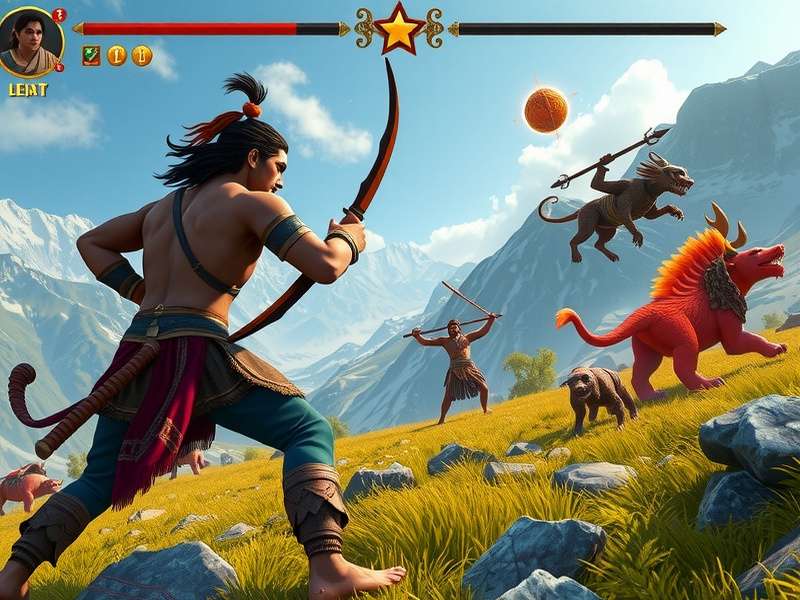
Highland Hero Epic Battles boasts the most comprehensive roster of Indian martial arts and mythological content ever featured in a video game, covering every region of India and thousands of years of cultural heritage. The game includes fully realized combat systems for 12 major Indian martial arts styles, each with authentic move sets, combos, and philosophies based on rigorous research and motion capture with real Indian martial arts masters: Kalaripayattu (Kerala), Thang-ta (Manipur), Gatka (Punjab), Silambam (Tamil Nadu), Mardani Khel (Maharashtra), Lathi Khela (West Bengal), Musti Yuddha (North India), Pari Khanda (Uttar Pradesh), Sqay (Kashmir), Inbuan Wrestling (Mizoram), Bhavani Shastra (Karnataka), and Chhau Dance Combat (Odisha). Each martial art in Highland Hero Epic Battles is not just a fighting style but a complete system of knowledge that includes philosophy, healing practices, and spiritual discipline—reflecting the holistic nature of Indian martial traditions that view combat as part of a larger path to self-realization rather than just a way to defeat enemies.
What truly sets Highland Hero Epic Battles apart from international fantasy games is its inclusion of lesser-known Indian martial arts and mythological creatures that may not be famous globally but are beloved in their home regions. The game features regional martial arts like Sqay from Kashmir (a sword and shield fighting style) and Inbuan Wrestling from Mizoram (a standing wrestling style) that are rarely seen outside their home states, giving players from these regions the joy of seeing their local traditions represented accurately in a major video game. Similarly, the game’s bestiary includes mythological creatures from regional Indian folklore—not just the well-known gods and demons from the Mahabharata and Ramayana, but also local spirits like the Uttarakhandi Kichkandi (a female ghost), the Himachali Pishacha (a flesh-eating demon), and the Kashmiri Yeti (known locally as the Meh-Teh)—making Highland Hero Epic Battles a celebration of India’s diverse mythological traditions rather than just the pan-Indian Hindu pantheon that is typically featured in international media.
Highland Hero Epic Battles also pays homage to India’s rich spiritual traditions with a dedicated "Spiritual Combat" system that integrates yoga, meditation, and mantra chanting into gameplay. Players can learn over 50 different mantras from Hindu, Buddhist, Sikh, and Jain traditions, each with unique effects in combat and exploration—from the Gayatri Mantra (which enhances spiritual energy) to the Om Mani Padme Hum mantra (which calms aggressive enemies) to the Mool Mantra (which provides protection from dark magic). The game’s meditation system allows players to enter a meditative state to heal injuries, gain insight into quests, or unlock new abilities—reflecting the Indian belief in the power of inner peace and self-awareness to overcome external challenges. This spiritual dimension to gameplay has resonated deeply with Indian gamers, who appreciate seeing their spiritual traditions represented as a source of strength and wisdom rather than just exotic window dressing like in many Western games.
In a groundbreaking move for Indian gaming, Highland Hero Epic Battles features a fully realized "Mythology Creator" tool that allows players to create their own mythological creatures, gods, and stories based on Indian traditions. Players can mix and match features from different regional myths, design custom abilities inspired by Indian philosophical concepts, and share their creations with other players through the game’s community hub. This tool has empowered Indian gamers to become creators rather than just consumers of fantasy content, with thousands of user-generated mythological creatures and stories added to the game since its release—from regional variations of the goddess Durga to original creatures inspired by local folktales. This level of player creativity and cultural expression is unprecedented in Indian gaming and has helped build a passionate community around Highland Hero Epic Battles that celebrates India’s diverse mythological heritage.
2. Realistic Indian Himalayan Environments & Architecture 🏯
Highland Hero Epic Battles recreates 40 iconic Himalayan locations with photorealistic accuracy, capturing not just the physical layout of each place but also the unique architecture, culture, and atmosphere that make each region of India’s Himalayas distinct. Unlike international games that only include a handful of famous Indian landmarks, Highland Hero Epic Battles features a diverse range of environments that reflect India’s rich Himalayan heritage:
- Sacred Sites: Rishikesh (Uttarakhand), Haridwar (Uttarakhand), Badrinath (Uttarakhand), Kedarnath (Uttarakhand), Amarnath (Jammu & Kashmir), Hemkund Sahib (Uttarakhand), Golden Temple (Punjab) (included as a pilgrimage site in the game’s world)
- Cultural Hubs: Shimla (Himachal Pradesh), Manali (Himachal Pradesh), Dehradun (Uttarakhand), Srinagar (Jammu & Kashmir), Leh (Ladakh), Gangtok (Sikkim), Dharamshala (Himachal Pradesh)
- Natural Landmarks: Rohtang Pass (Himachal Pradesh), Nanda Devi Peak (Uttarakhand), Dal Lake (Jammu & Kashmir), Valley of Flowers (Uttarakhand), Pangong Tso Lake (Ladakh), Munsiyari (Uttarakhand)
- Traditional Villages: Malana (Himachal Pradesh) (known for its unique culture), Mana (Uttarakhand) (India’s last village on the India-Tibet border), Tawang (Arunachal Pradesh) (Buddhist cultural center), Zanskar Valley villages (Ladakh), Kinnaur Valley villages (Himachal Pradesh)
Each location in Highland Hero Epic Battles features unique architectural styles that reflect the local culture and environment, built using traditional Indian construction techniques and materials. The wooden houses of Himachal Pradesh use the Kath-Kuni style (interlocking wooden beams without nails), the monasteries of Ladakh feature Tibetan Buddhist architecture with prayer wheels and murals, the villages of Uttarakhand use stone and wood to withstand mountain weather, and the houseboats of Srinagar are recreated with authentic Kashmiri woodwork and furnishings. Even the smallest details reflect local Indian traditions: the windows of Himachali houses feature intricate wooden carvings of local deities, the monasteries of Sikkim display traditional Thangka paintings, and the markets of Leh sell authentic Ladakhi handicrafts like pashmina shawls and silver jewelry—all rendered with remarkable detail in Highland Hero Epic Battles. These architectural details are not just cosmetic; they also serve gameplay purposes—traditional Kath-Kuni houses provide better protection from blizzards, monasteries offer spiritual buffs, and houseboats allow players to navigate Dal Lake and access hidden areas of the game world.
What makes the environments in Highland Hero Epic Battles truly exceptional is the attention to hyper-local details that only an Indian development team could capture authentically. The markets of Srinagar sell kahwa (traditional Kashmiri tea) and modur pak (saffron sweet), the streets of Haridwar are filled with pilgrims performing Ganga Aarti rituals, the villages of Himachal Pradesh celebrate Kullu Dussehra with processions of local deities, and the monasteries of Ladakh hold traditional mask dances during Buddhist festivals. The game’s NPCs wear traditional clothing specific to their region—the pheran of Kashmir, the churidar kurta of Punjab, the bhutiya dress of Uttarakhand, the goncha of Ladakh—and speak in regional dialects with authentic local slang and expressions. Even the game’s weather system reflects local Indian knowledge: villagers in Uttarakhand can predict rain by observing the behavior of local birds, and Ladakhi monks can read weather patterns from the movement of prayer flags—details that add depth and authenticity to Highland Hero Epic Battles’s world and make it feel like a living, breathing representation of India’s Himalayan regions rather than just a digital backdrop.
3. Regional Indian Languages & Authentic Voice Acting 🎙️
One of the most beloved features of Highland Hero Epic Battles is its comprehensive language support that goes far beyond generic English or Hindi to include regional Indian languages and dialects that are rarely represented in video games. The game features professional voice acting in 12 major Indian languages plus Hinglish, with regional voice actors who bring authentic local flavor and cultural knowledge to their performances:
- Hinglish: The default language option, featuring natural mix of Hindi and English that reflects how most urban Indians communicate daily, with voice actors like Rajesh Khattar and Mona Ghosh Shetty who are known for their work in Indian dubbing and animation.
- Hindi: Multiple dialects including Kumaoni and Garhwali (Uttarakhand), Pahari (Himachal Pradesh), and Dogri (Jammu), spoken by local voice actors from these regions to ensure authenticity.
- Punjabi: Both Gurmukhi (Punjab) and Pahari Punjabi (Himachal Pradesh) dialects, with voice actors including popular Punjabi film artists and folk singers.
- Kashmiri: Authentic Kashmiri language with traditional poetic expressions, performed by Kashmiri voice actors who preserve the unique cadence and pronunciation of the language.
- Ladakhi/Tibetan: Spoken by Buddhist monks from Ladakh, featuring traditional chants and religious terminology accurate to Tibetan Buddhism as practiced in India.
- Other Indian Languages: Tamil, Telugu, Kannada, Malayalam, Bengali, Marathi, and Gujarati—each with native voice actors and culturally appropriate dialogue that reflects how people from these regions might speak if traveling in the Himalayas.
The voice acting in Highland Hero Epic Battles is not merely translated dialogue—it’s authentic regional speech written by native speakers that uses local slang, cultural references, and storytelling traditions that resonate with regional audiences. A Kashmiri boatman in the game uses phrases like "Aali chus" (come here) and "Boz roz" (every day) that are common in Srinagar but might be unfamiliar to Hindi speakers from North India, while a Himachali shepherd uses Pahari words like "bhuttu" (child) and "jholi" (bag) that reflect local mountain culture. The Hinglish voice acting—the most popular option among Highland Hero Epic Battles players—features the natural mix of Hindi and English that is the hallmark of modern Indian communication, with phrases like "Bhai, yeh monster toh bahut hi dangerous hai!" (Brother, this monster is very dangerous!) and "Is temple mein hidden treasure mil sakta hai" (We might find hidden treasure in this temple) that sound exactly like the way Indian gamers speak to each other while playing games together. This authentic voice acting makes Highland Hero Epic Battles feel personal and relatable to Indian players, who appreciate hearing their own languages and dialects represented accurately in a major video game.
Complementing the authentic voice acting is Highland Hero Epic Battles’s vibrant soundtrack that features a curated selection of traditional Indian music from the Himalayan regions and across India. The soundtrack includes classical Indian music (Hindustani and Carnatic), folk music from different Himalayan regions (the Himachali nati dance music, Kashmiri sufiyana kalam, Ladakhi chant music), and modern Indian fusion music that blends traditional instruments with contemporary beats. The game’s music changes dynamically based on location and situation: peaceful Himalayan valleys feature gentle flute and sitar music, combat scenes use energetic dhol (drum) beats and martial arts chants, and sacred sites feature meditative music with tanpura and singing bowls. The soundtrack was composed by leading Indian musicians including A.R. Rahman (for the main theme) and local Himalayan folk artists (for regional music), ensuring that it reflects the rich musical diversity of India while maintaining a cohesive sound that ties the game’s world together. This attention to Indian music has made Highland Hero Epic Battles’s soundtrack popular beyond the game itself, with many Indian players listening to it as standalone music while studying, working, or meditating.
4. Dynamic Weather & Environmental Systems Across India 🌤️
As highlighted earlier, Highland Hero Epic Battles’s simulation of India’s diverse weather and environmental conditions is unparalleled in gaming, capturing the dramatic variations across India’s Himalayan regions that make travel and survival in these areas such a unique and challenging experience. The game’s advanced dynamic weather system changes in real-time during gameplay, affecting movement, combat, and resource gathering in ways that have earned praise from Indian mountaineers and environmental scientists:
- High Altitude Regions (Ladakh, Lahaul-Spiti): Extreme cold, thin air, and sudden blizzards that can reduce visibility to zero and freeze players who are not properly equipped. Highland Hero Epic Battles simulates altitude sickness with gameplay effects like reduced stamina and slower movement, reflecting the real physical challenges of traveling at heights above 10,000 feet in the Indian Himalayas.